English
 简体中文

"In the past, it mainly relied on large orders from domestic real estate developers, but now it has to go to the Middle East to find the market."
On October 21, at Tyson Risheng Group Co., Ltd., Feixian County, Linyi, Di Chuanhao, the administrative director of enterprise human resources, talked to reporters about the business changes in recent years. This local wooden home furnishing leading enterprise once relied on the rapid development of real estate developers' batch decoration orders, and the output value once reached 1.70 billion yuan in 2021. But starting from 2022, with the adjustment of the real estate market, corporate orders have decreased significantly, and more energy has to be invested overseas.
The experience of Tyson Risheng is a microcosm of Linyi Wood Industry.
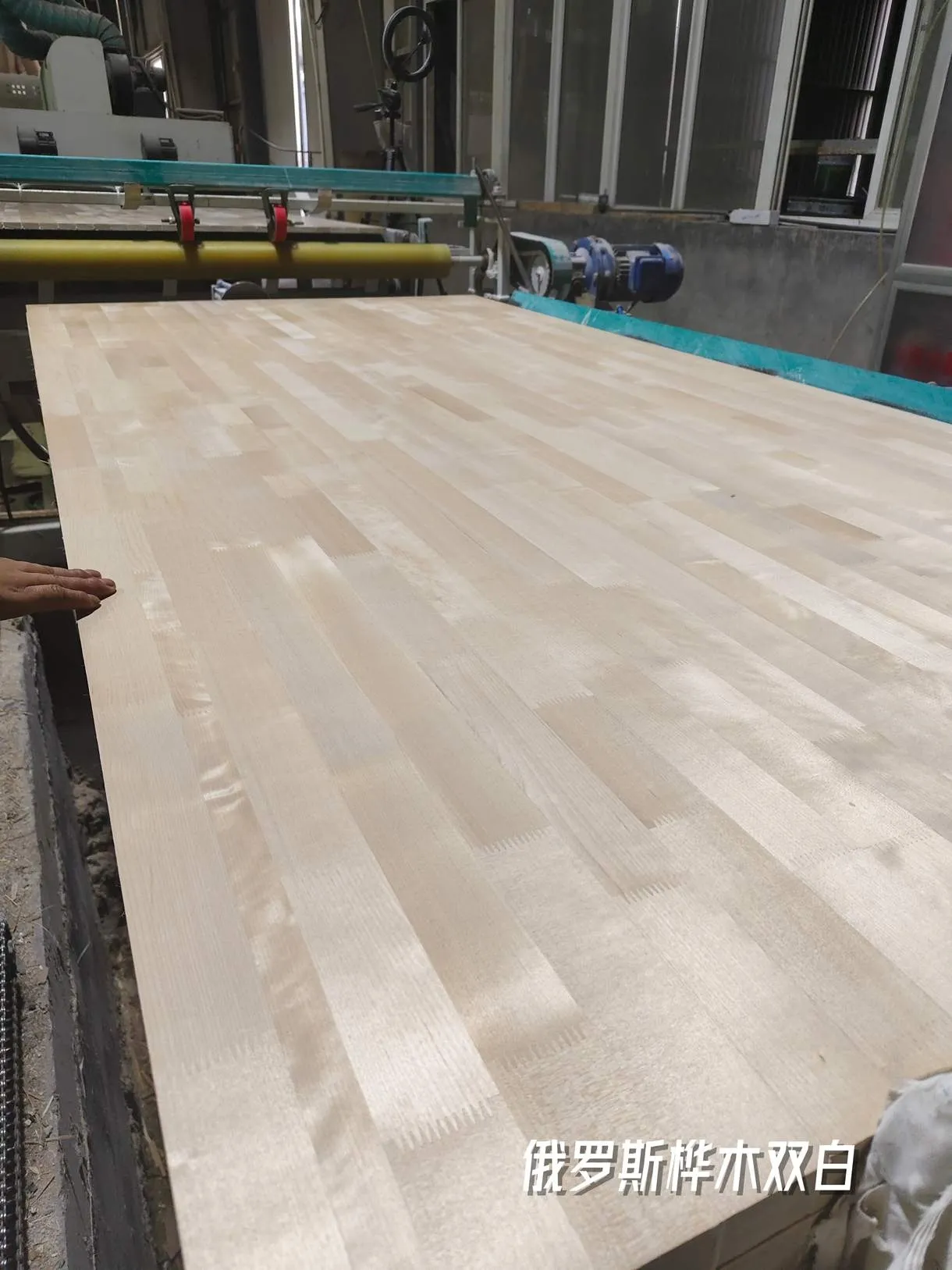
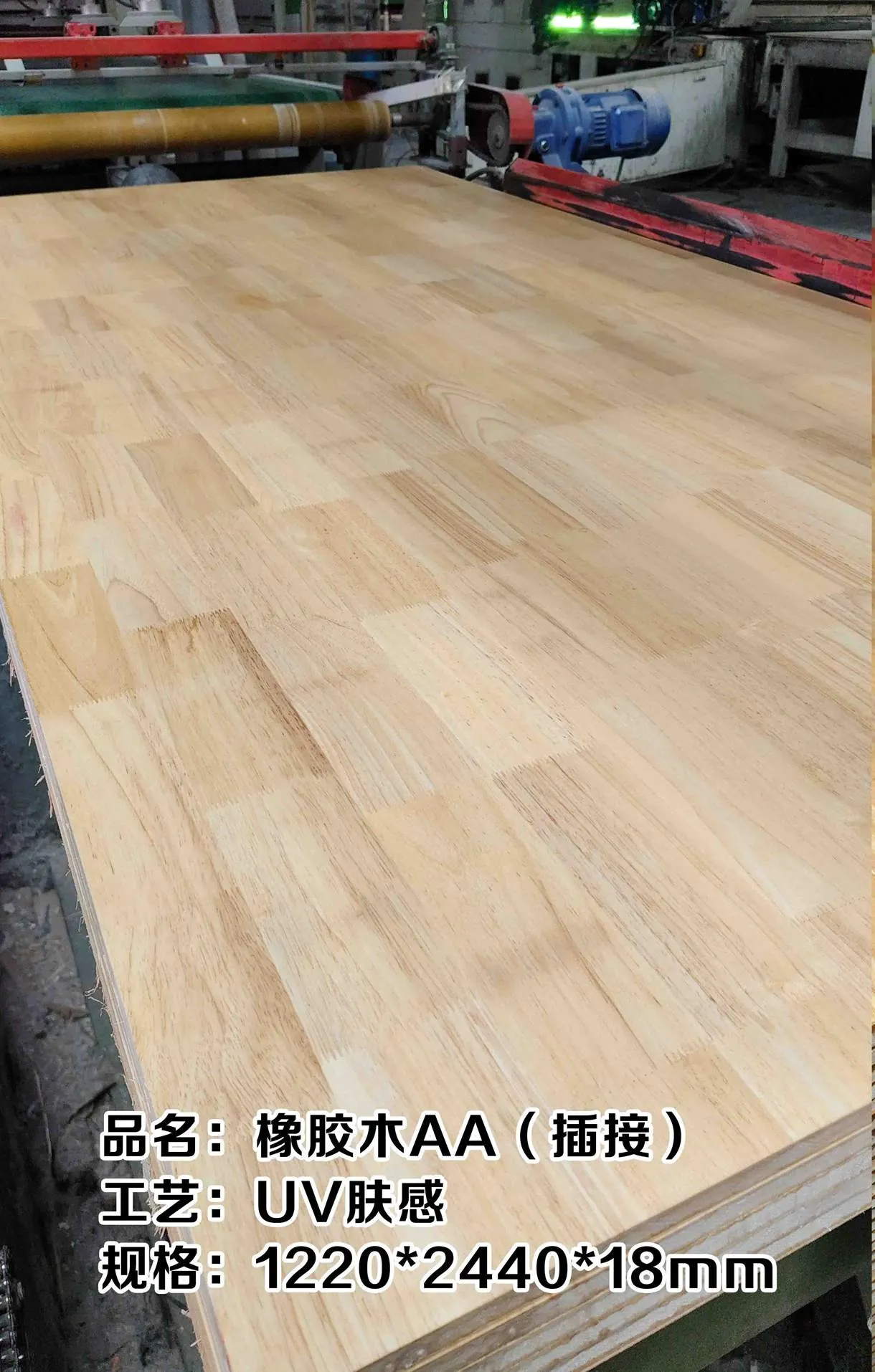
Linyi is known as the "capital of China's plywood". Starting from family workshops and plywood processing in the late 1980s, after nearly 40 years of development, the local area has grown into an important wood production and trading base in the country. In 2024, the output value of the whole wood industry chain in the city reached 300 billion yuan, with more than 10,000 enterprises and millions of employees. In the first half of this year, the city's 1,523 regulated wood enterprises achieved an output value of 74.03 billion yuan, an increase of 3.4% year-on-year.
The scale of the industry has risen steadily, but the market environment has changed. According to the National Bureau of Statistics, from January to September this year, the new housing construction area in the country was only 340 million square meters, compared with 1.529 billion square meters in the same period in 2021.
The in-depth adjustment of the real estate market is being transmitted upstream along the industrial chain, from the manufacturing of furniture products such as wooden doors, cabinets, and wardrobes to the processing and production of sheet metal. The entire wood industry chain has been impacted to varying degrees.
When real estate orders drop sharply and industry competition intensifies, where does this traditional industry go from here?
Finding markets overseas
For a long time in the past, real estate developers were important customers of large wood companies.
A new building often means hundreds or even thousands of matching orders for wooden doors, cabinets and wardrobes. For manufacturing companies, as long as they enter the supply chain of large developers, they have the opportunity to obtain relatively stable large-scale orders.
Tyson Risheng developed along this path.
"We mainly do the customization of the whole building and the whole real estate, and rarely do the retail orders of individual owners." Di Chuanhao introduced that the company has long cooperated with large real estate development companies such as Poly, Vanke and China Resources to provide supporting services for new real estate from the early design, production and final installation. The advantage of this model is that the order is centralized and the production scale is large, but the business operation is also closely tied to the real estate market.
As the real estate market adjusts, this dependence is beginning to show risks. According to the National Bureau of Statistics, the area of new housing construction nationwide fell by 24.9% year-on-year from January to September this year, and the area of new commercial housing sales fell by 13.2%. For companies that rely on the fine decoration of new residential buildings, the large orders from developers in the past are decreasing.

The domestic market is under pressure, and companies are beginning to look overseas.
The reporter learned that in the past two or three years, Tyson Risheng has gradually expanded into Middle Eastern markets such as Saudi Arabia and the United Arab Emirates, providing local real estate developers with wooden doors, cabinets and other supporting products. Today, overseas business accounts for about one-third of the company's total business.
"What we do in Dubai is mainly high-end villa projects, not for individual owners, but for entire villa groups." Di Chuanhao said that compared with ordinary domestic residential projects, high-end villas in the Middle East use more solid wood doors and other products, and have higher requirements for material, process and quality stability.
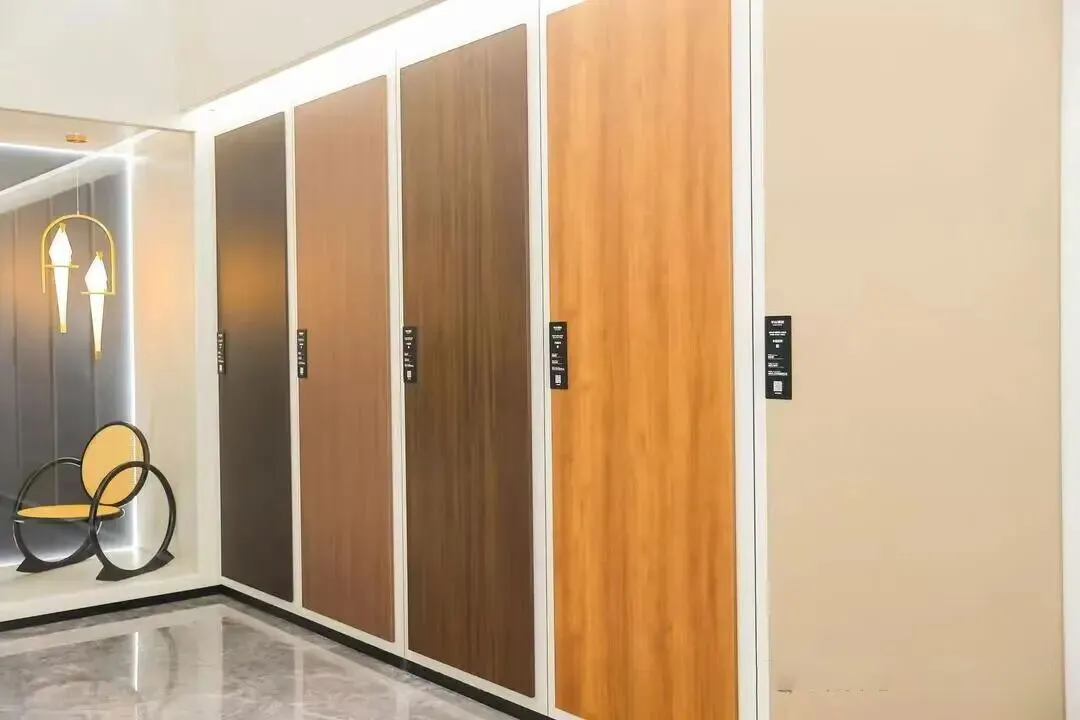
In the company's product exhibition hall, a wooden door with a height of more than 3 meters attracted the attention of reporters. Although this "one door to the top" design looks simple, the higher the door leaf, the more difficult it is to control the deformation, and the higher the requirements for material stability and machining accuracy.
Di Chuanhao introduced that in October this year, the company received another overseas order involving more than 1,800 sets of products. Unlike in the past, it mainly undertook domestic residential decoration projects. Now the company is shifting its mass design, production and installation capabilities to the overseas high-end market.
But overseas markets are not without risks. Product standards in different countries, cross-border logistics, international situations and project refunds can all affect business operations. For wood companies that are used to large domestic orders, going global is only the first step. Whether they can retain customers with stable quality and delivery capabilities is the bigger test.
Fight quality, fight technology
In addition to the decline in real estate orders, the wood industry is also facing another pressure - production capacity is still growing, but competition among companies has become intense.
The China Wood-based Panel Industry Report 2025 jointly prepared and released by the China Forest Products Industry Association and the Industrial Development Planning Institute of the State Forestry and Grassland Administration shows that by the end of 2024, there were more than 8,600 wood-based panel production enterprises in the country, a decrease of 14.9% year-on-year, but the total annual capacity reached 362 million cubic meters, an increase of 8.41% year-on-year. Among them, the annual capacity of particle board increased by 21.7% year-on-year, and the report particularly suggested the risk of supply and demand imbalance caused by the overheating of phased investment.
The number of enterprises is decreasing, but the production capacity is increasing. For the plate industry with a high degree of product homogeneity, once the market demand growth cannot keep up with the supply, the price can easily become the main means for enterprises to compete for orders. But the lower the price, the more limited the funds for equipment renewal, Product Research & Development and quality improvement.
How can we break out of the low-price competition?
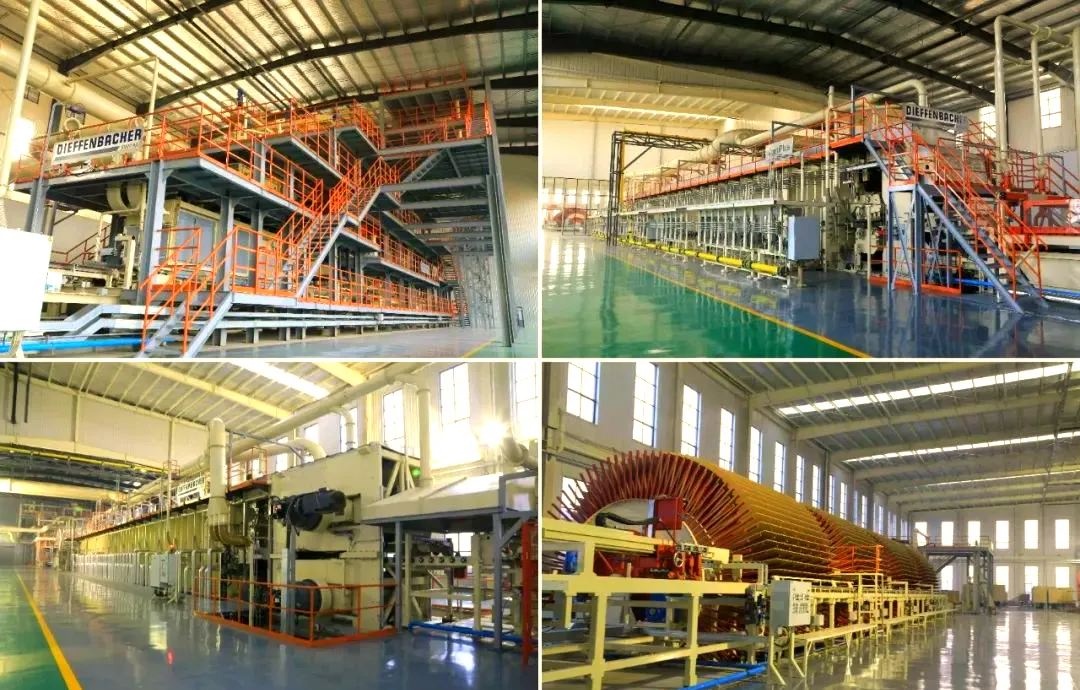
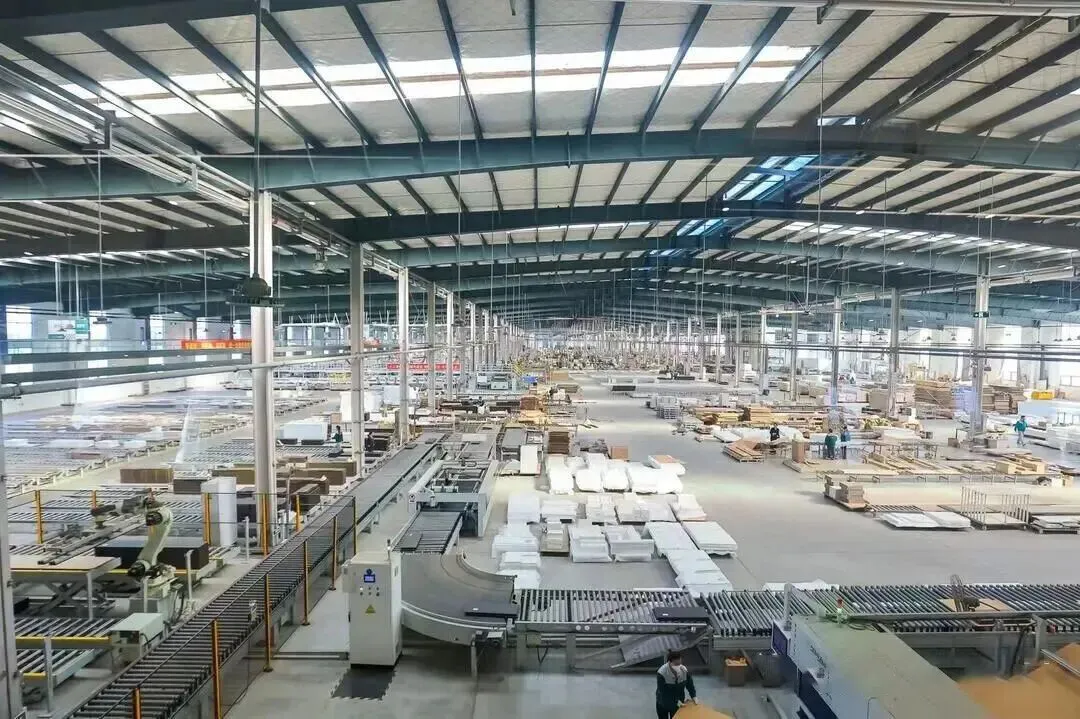
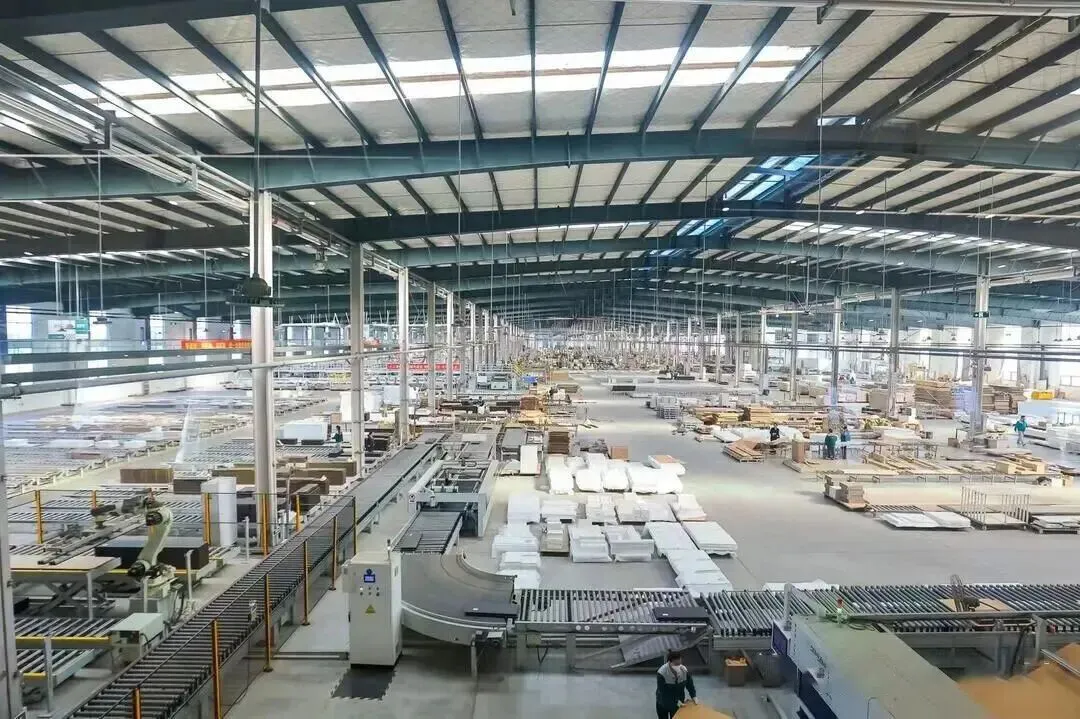
In Shandong Qianshan Wood Industry Group Co., Ltd., Lanshan District, Linyi City, the reporter saw an intelligent board production line. Plates are continuously exported through automatic feeding, hot pressing, cutting and other processes. The German Winkanna production line introduced by the company has twice the production efficiency of ordinary automatic pressing lines, but the entire production line only needs two staff to complete the plate pressing and quality inspection.
Equipment upgrades are not only to reduce labor, but also to improve product consistency and machining accuracy.
Taking veneer panels as an example, consumers see the wood grain and pattern on the surface, but it involves multiple processes such as gluing, hot pressing, and cutting. A slight deviation in temperature, pressure, and time control may affect the flatness, finish, and service life of the panels.
"For each substrate, what standards are used for production, which indicators are tested, and what level of environmental protection is reached, all of which can be checked." Liu Yulian, vice chairperson of Qianshan Wood Industry, introduced that the company will run the standards through the whole process of raw material procurement, production and processing, and finished products, and test the wear resistance, static bending strength, screw holding force, formaldehyde emission and other indicators of the plate.
Reporters also noticed that Qianshan Wood is equipped with an independent anti-counterfeiting label for each sheet. Consumers can scan the QR code to check the production batch, production date and other information of the product to verify the authenticity of the product.
Why does a plate have its own "ID card"?
"Sheets often go through multiple links such as distributors and decoration companies from factories to consumers. Products of different brands and different environmental protection grades are difficult to distinguish based on appearance alone. Establishing a traceability system is not only to prevent counterfeiting and collusion, but also to make product quality more transparent," Liu Yulian said.
Changes in market demand are also driving companies to expand from manufacturing a single product to downstream applications.
In the sample display area of Tyson Risheng, the reporter saw that in addition to traditional products such as wooden doors, cabinets, wardrobes, etc., the company has also developed prefabricated decoration, smart home and senior-friendly home products. A health model room is specially designed for the elderly: the kitchen countertop is lower than the ordinary kitchen, which is convenient for wheelchair users to operate; the bathroom space is equipped with armrests and bath seats; the bedroom is equipped with a smart bed that can be lifted and set up a one-click alarm device.

Prefabricated decoration is another attempt. Companies complete the design and production of wall panels, ceilings and other components in advance, and assemble them directly after they are transported to the site. "Just like building blocks, our exhibition hall of more than 800 square meters took only three days from installation to completion." Di Chuanhao said that, however, the cost of this decoration method is still about 20% to 30% higher than ordinary decoration, and it is currently more suitable for projects with high construction cycle and environmental protection requirements.
There are also changes in the demand structure of the housing market behind this. From January to September this year, the area of second-hand housing transactions nationwide increased by 10.7% year-on-year, in contrast to the decline in the sales area of new commercial housing. Although the growth in second-hand housing transactions cannot be directly equated with the growth in decoration demand, the market of stock housing renewal, partial decoration, and senior-friendly renovation provides a new development direction for home furnishing enterprises.
The government helps to reduce costs and establish brands
For Linyi Wood Industry, there is also a practical problem with the transformation: leading enterprises can invest hundreds of millions of yuan to update equipment and build laboratories, but what about the large number of small and medium-sized enterprises in the industrial chain?
Especially with the improvement of industry standards, enterprises must not only meet more stringent environmental protection and quality requirements, but also control the cost of testing, certification and technological transformation. To enter the overseas market, they may also face the standard requirements of different countries and different buyers. For small and medium-sized enterprises that lack professional technicians and testing equipment, these are no small threshold.

"In the past, companies had technical needs, so they may have to go to other places for help." Yang Shengkun, director of the Building Materials and Home Furnishing Center of the Shandong Provincial Quality Inspection Institute, introduced that in order to bring quality and technical resources closer to the enterprise, the Provincial Quality Inspection Institute has built a wood quality service workstation in Linyi Wood Industrial Park. Enterprises need to apply for production licenses, carry out product testing or improve production processes, so they can obtain technical services nearby; if they encounter complex problems, they can also contact provincial and even national experts through the workstation.
What practical problems can such services solve for enterprises?
The reporter saw an example in the formaldehyde release testing room of the workstation.
According to the relevant testing methods, it may take 7 to 14 days for a batch of boards to complete the detection of formaldehyde emission. For wood companies, the longer the waiting time for testing, the more funds the inventory takes up; if the test results are unqualified, the production process may need to be readjusted.

In response to this problem, the Provincial Quality Inspection Institute has developed an intelligent prediction model for formaldehyde emissions. By collecting the monitoring data from the first three days, the algorithm is used to predict the subsequent formaldehyde emission trend, helping enterprises to predict product quality and arrange production in advance.
"The coincidence rate between the predicted results and the complete test results is over 95%." Yang Shengkun said that this method cannot replace the statutory test report, but it can provide reference for enterprises to help them detect quality problems earlier and reduce the loss caused by waiting and rework.
In addition to technical services, capital is also a threshold for the transformation of SMEs.
Zhao Feng, Secretary of the Party Group and Director of the Market Supervision Bureau of Feixian County, Linyi City, introduced that the local "four standard actions" of "studying standards and abiding by the law, producing according to standards, inspecting against standards, and leaving the factory according to standards" are the breakthrough points to help enterprises standardize quality management. At present, the county handles 217 wood production licenses, accounting for 70% of the city's total, and the qualified rate of related enterprises has generally increased by 2 to 4 percentage points. At the same time, the local and Rural Commercial Bank have cooperated to launch "production license loans", and a total of 700 million yuan of credit funds have been allocated to 100 enterprises.
However, solving the quality and cost issues does not mean solving the market problem.
Linyi is an important plate production base in the country, with a large industrial scale, but compared with the manufacturing capacity, the market influence of regional brands still has room for improvement. Especially a large number of small and medium-sized enterprises, although they have certain capacity, lack the resources to independently explore the market and shape the brand.
In this regard, Fujian Quanzhou provides a valuable reference.
Also known for its private economy and traditional manufacturing industry, Quanzhou attaches great importance to the overall branding of industrial clusters. In 2025, Quanzhou issued an action plan for the high-quality development of key industrial chains in the county, proposing to build characteristic carriers and brands in sub-sectors according to "one garden and one product", and encourage the declaration of collective trademarks, etc., to create regional public brands named after the place of origin. The "Regulations of Quanzhou City on Inheriting and Promoting Innovation and Development" Jinjiang Experience ", which was implemented in August this year, further clearly supports industry associations, industrial alliances, etc. to build regional public brands in characteristic industries such as shoes and clothing, textiles, and building materials.
This line of thinking inspired Linyi.
Tian Tingting, secretary of the party group and director of the Linyi Municipal Market Supervision Bureau, and director of the Linyi Municipal Intellectual Property Office, told reporters that the local area is exploring the creation of a regional public brand for the wood industry. At present, the relevant trademark application work has been launched, and the next step is to establish product quality, enterprise access and brand use rules, so that eligible enterprises can jointly use the regional logo.
However, regional branding is not simply a unified logo, the key is to maintain the reputation of the production area with strict Quality Standards and management mechanisms, so that more small and medium-sized enterprises can use regional brands to open up the market. "Next, when Linyi wood enterprises participate in domestic and foreign exhibitions, they can display their products at the same time, use the regional brand logo uniformly, and focus on showing the industrial advantages of Linyi wood industry." Tian Tingting is full of confidence in the future.